
Is It Worth Getting A Sofa Professionally Cleaned?
Yes. Professional sofa cleaning is usually worth it because it removes deep dirt, allergens, and bacteria that regular household cleaning can’t reach. Over time, sofas collect body oils, dust mites, pet hair, and debris that can damage fibres and affect indoor air quality.
Professional cleaning uses fabric-safe methods and residue-free solutions, helping sofas stay cleaner for longer without the risk of shrinkage or discolouration. It can also extend the life of upholstery and reduce allergy triggers, making it a practical option for heavily used sofas, homes with pets, or allergy sufferers.
On average, adults in the UK spend around 9 hours a day sitting, including activities like watching TV, using a computer, reading, and commuting. Given this, it’s no surprise that our furniture picks up dirt, dust, and other debris.
Why Upholstery Cleaning is Important
From food crumbs to pet hair, oils from our skin, and even airborne germs, upholstery can gather all sorts of unwanted substances and germs. But does hiring a professional to clean your upholstery really make a difference, or is it just another expense?
Benefits of professional cleaning:
- Removes dirt, dust, and allergens
- Extends the life of your furniture
- Maintains appearance and comfort
Regular cleaning prevents gradual degradation and keeps your sofa looking and feeling its best. For simple at-home maintenance, see our guide on how to clean fabric sofas.
Why DIY Upholstery Cleaning Can Backfire
DIY cleaning may seem cost-effective, but it carries risks. Different fabrics need specialised care. Different fabrics require specialised care, and without the right knowledge, it’s easy to cause discolouration or even fabric damage. Professionals have the expertise to handle a variety of materials properly, ensuring the best results without compromising the quality of your upholstery.
Using the wrong cleaning products on your sofa can cause:
- Discolouration
- Fibre damage
- Sticky residues that attract dirt
Sofa cleaning professional expertise matters. Technicians understand how to clean delicate or mixed fabrics without compromising quality, saving money in the long run. What seems like a quick solution could lead to repair costs far exceeding the price of professional cleaning.
Residue-Free Sofa Cleaning
Have you ever noticed sofas getting dirty soon after cleaning? This is often because cleaning products leave behind sticky residues that attract dirt.
A professional carpet cleaner would use specialised products that leave your sofa and upholstery residue-free. This means it will stay cleaner for longer, maintaining a fresh look without quickly accumulating dirt again.
Cleaner Upholstery Means a Healthier Home
Dust mites, pet dander, and bacteria in sofas can trigger allergies and respiratory issues, contributing to indoor air pollution. Professional cleaning removes these hidden hazards.To learn more about the effects of indoor air pollution, check out this article from Asthma and Lung UK.
Health benefits include:
- Reduced allergens for sensitive individuals
- Minimised risk of infections
- Improved overall air quality
Pet owners can especially benefit from professional cleaning. For tips on managing pet messes, see our best cleaning methods for pet owners.
Make a Great Impression
The condition of your upholstery affects how guests or customers perceive your home or business. Clean, well-maintained furniture:
- Enhances comfort and aesthetics
- Creates a positive, welcoming environment
- Demonstrates attention to detail
Whether it’s your living room or a business lounge, professional cleaning ensures your furniture leaves a lasting impression.
For guidance on selecting the right sofa and material, we recommend this sofa buying guide from Which. Understanding the material helps you maintain and clean your sofa effectively.
Frequently Asked Questions
How often should I get my sofa professionally cleaned?
For most households, a professional sofa cleaning every 12–18 months is recommended. Homes with pets, children, or heavy daily use may benefit from more frequent cleaning every 6–12 months. Regular cleaning removes dust, allergens, and oils that naturally accumulate, preventing fibre wear and extending the life of your furniture.
Can all types of sofas be cleaned professionally?
Yes. Professional cleaning services handle a wide variety of sofa materials, including:
Fabric sofas – cotton, linen, polyester blends
Velvet and delicate fabrics – with specialised treatments
Mixed materials – combinations of fabric, leather, or suede (micro fibre)
Professionals use tailored cleaning techniques to ensure each material is treated safely. For example, hot water extraction may be used for sturdy fabrics, while leather requires gentle conditioning. This prevents damage, discolouration, and premature wear, which DIY methods often risk.
Is professional sofa cleaning expensive?
The cost of professional sofa cleaning depends on sofa size, material, and cleaning method, typically ranging from £75 to £150 per sofa in the UK. While DIY may seem cheaper, incorrect cleaning can cause permanent damage requiring costly repairs or replacement.
Investing in a professional service offers long-term savings, protects your furniture investment, and ensures a cleaner, healthier home. Many professional companies also offer package deals for multiple rooms or recurring cleaning schedules, further improving value.
Will my sofa dry quickly after professional cleaning?
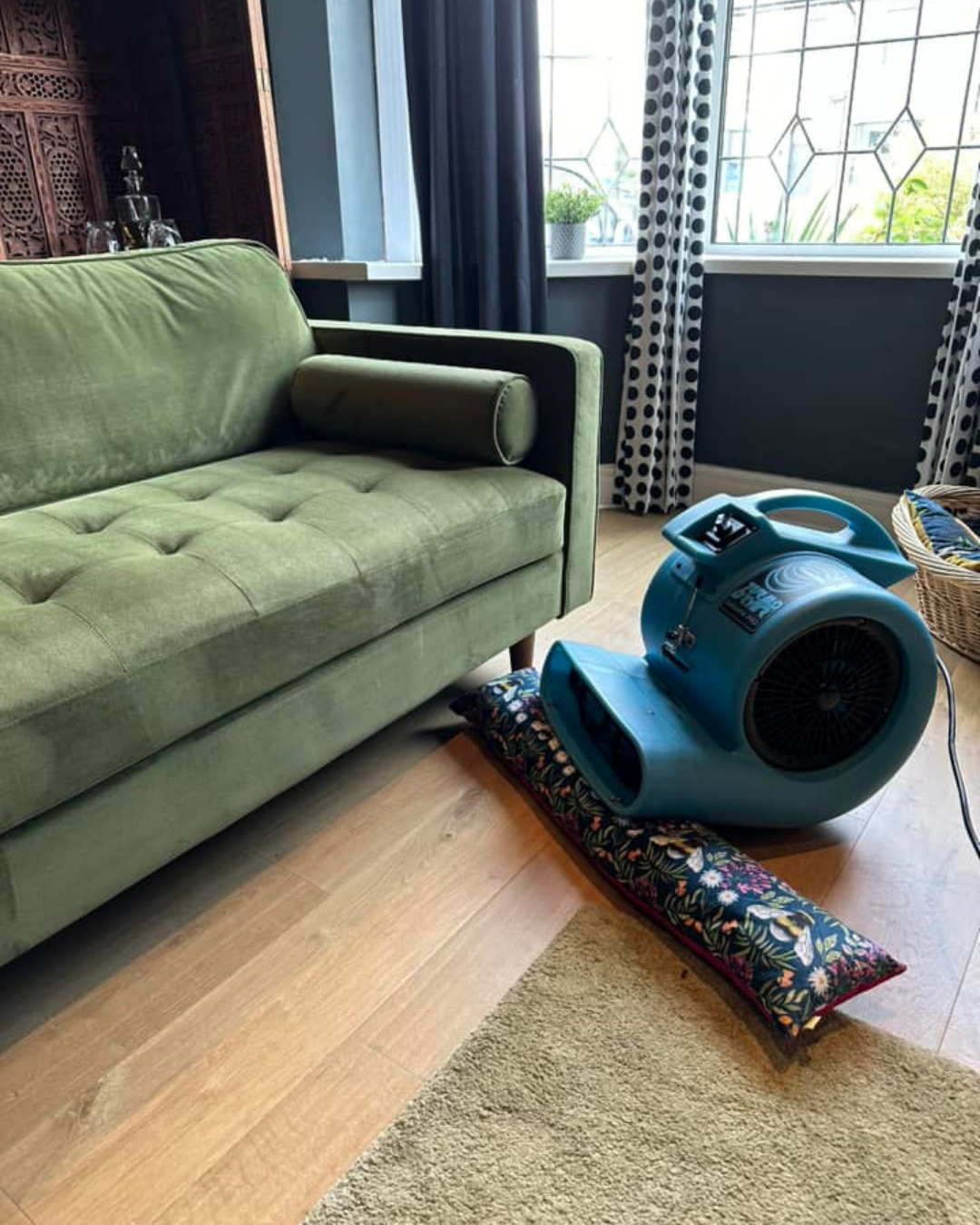
Modern professional cleaning uses tools like Dri-Pod systems and advanced extraction techniques to ensure sofas dry faster than traditional methods. Most sofas dry within 2–6 hours, depending on fabric and ventilation. Fast drying:
Reduces the risk of mould or mildew
Minimises disruption in your home
Ensures the sofa is ready to use quickly
DIY methods often leave sofas damp for 24 hours or longer, which can attract bacteria and odours. Professional drying technology ensures a safe, hygienic finish
What health benefits does professional sofa cleaning provide?
- Dust mites and pet dander – triggers for allergies
- Bacteria and germs – reduces risk of infections
- Oils and food residues – prevent odours and bacterial growth
By eliminating these hidden hazards, professional cleaning improves indoor air quality, particularly in homes with pets or allergy sufferers. Regular cleaning can significantly reduce allergen exposure and respiratory irritation.